menuclose
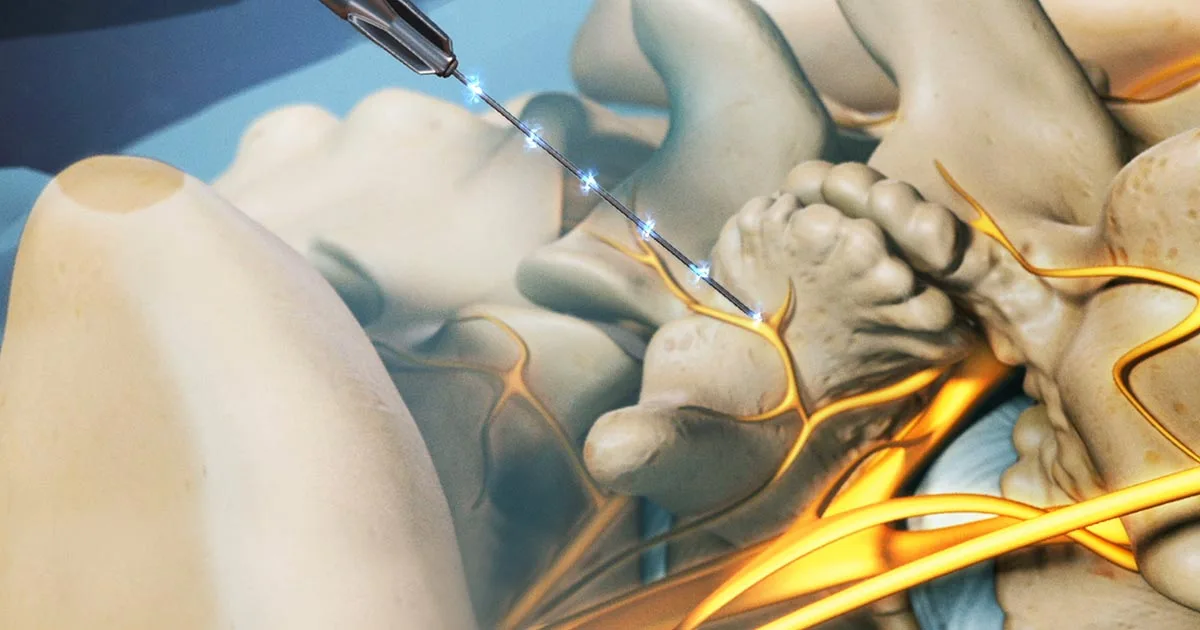
Radiofrequency AblationAlso called radiofrequency neurotomy, this minimally invasive procedure treats chronic arthritic pain in the lumbar, cervical, and thoracic spine using electrical current from radio waves, typically completed within 20 minutes.

Learn more
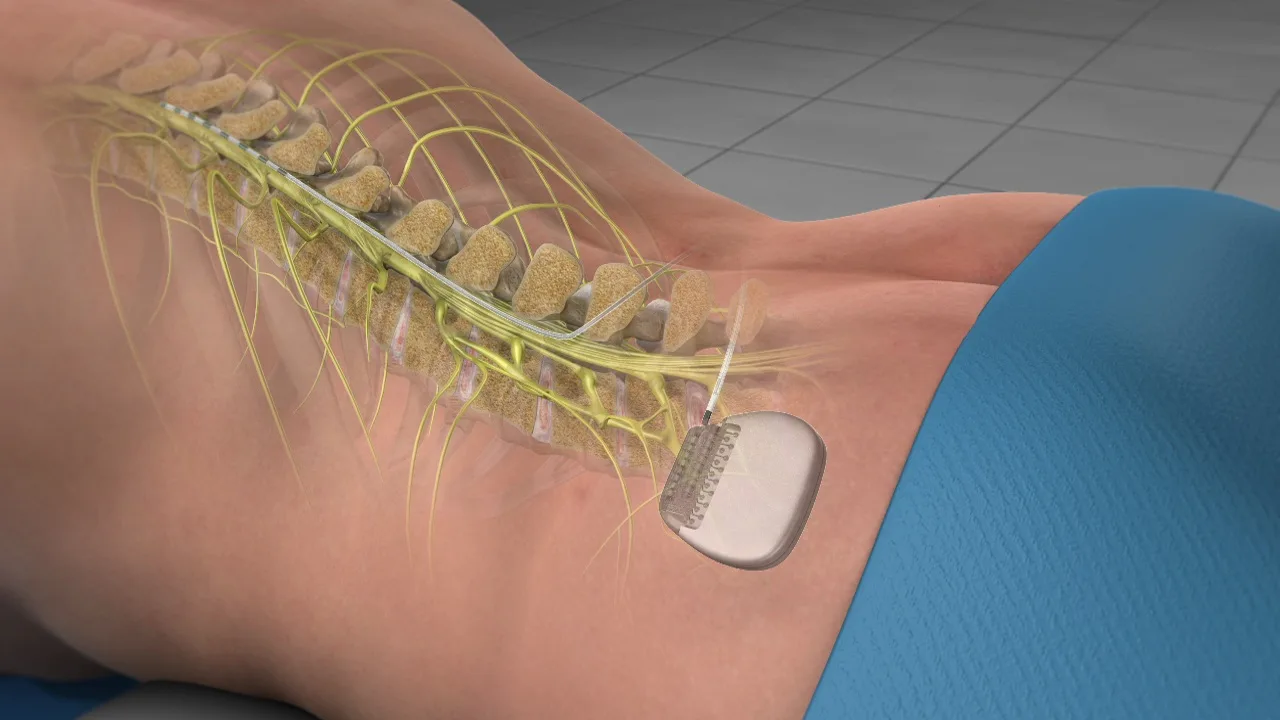
Spinal Cord StimulationA minimally invasive procedure using electrical impulses to modulate pain signals, treating chronic pain including low back pain, neck pain, CRPS, and diabetic neuropathy.
Learn more
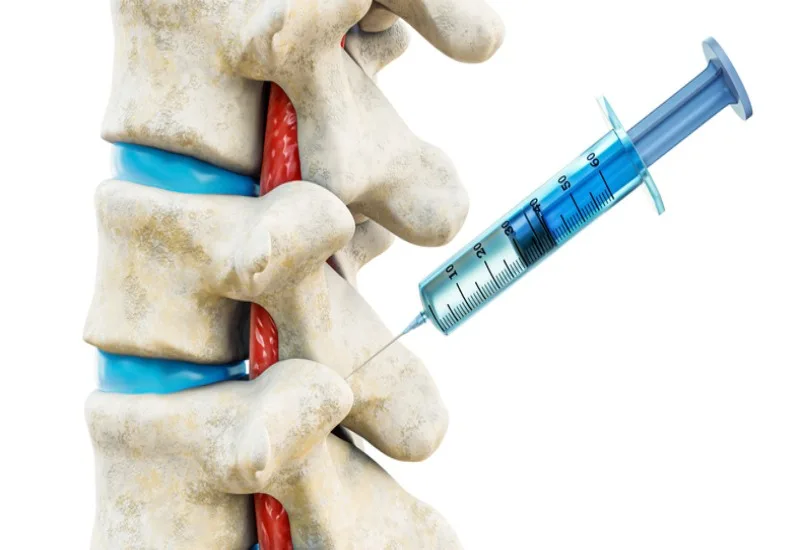
Facet Joint InjectionsA minimally invasive procedure for treating facet joint pain caused by conditions like arthritis and facet joint syndrome.
Learn more
SI Joint FusionA minimally invasive procedure to treat lower back pain associated with the Sacro-Iliac Joint when conservative treatments prove ineffective.
Learn more
Platelet Rich PlasmaPRP injections use your own blood platelets to stimulate healing, performed under ultrasound or X-ray guidance by board-certified physicians.
Learn more
Kyphoplasty / VertebroplastyA minimally invasive procedure, also known as vertebroplasty, for treating spinal compression fractures, offering low complication risk and quick recovery time.
Learn more
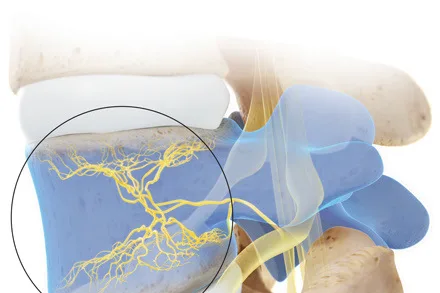
IntraceptA minimally invasive, implant-free outpatient treatment that uses basivertebral nerve ablation to relieve chronic low back pain while preserving spinal structure.
Learn more
Lidocaine InfusionAn intravenous infusion that helps calm overactive nerve signaling for chronic neuropathic pain that has not responded to more traditional therapies.
Learn more
Trigger Point InjectionsA minimally invasive injection that treats myofascial muscle pain by releasing the knots and spasms, known as trigger points, that form within tight muscles.
Learn more
Nerve BlocksAn injection placed into a targeted nerve or group of nerves to interrupt pain signals, offering temporary or lasting relief while the underlying cause is treated.
Learn more
Spinal Cord Stimulation
Delivers therapeutic electrical impulses at the level of the spinal cord to modulate the pain signals sent to the brain. Many patients cannot perceive the impulses at all.Patients get to try the therapy before committing to anything long-term, which makes spinal cord stimulation unusual among interventional options.
The Trial Period
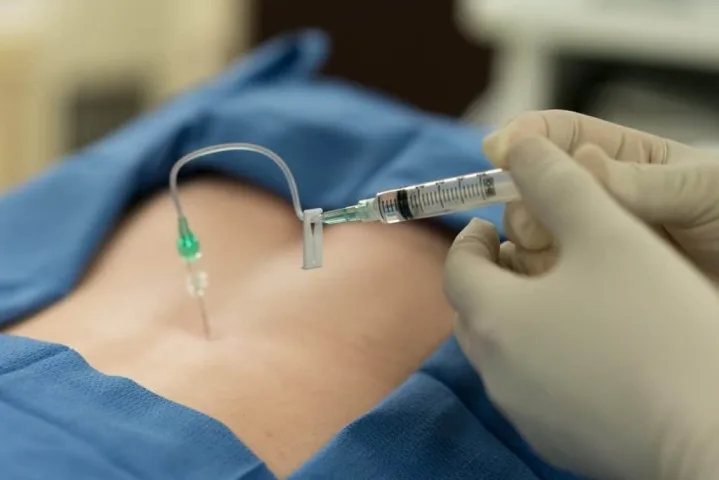
The trial lasts around 5-8 days. Temporary electrodes are inserted through the skin and guided near the appropriate level of the spinal cord, connected to a small external battery secured to the skin.During the trial you determine for yourself whether stimulation reduces your pain. Leads and battery are then removed painlessly, leaving a small pinhole that needs little more than a bandage.A trial is considered successful when it reduces pain by at least half, along with improved overall function. If it does, you may elect to have the system implanted.
After Your Procedure
Implantation is a minimally invasive day surgery leaving only a couple of small incisions. Brief activity restrictions apply for a few weeks while the sites heal.Most patients return to previous activity levels after that period. Follow-up appointments program your stimulator for optimal relief.
Is This Right for You
Spinal cord stimulation treats chronic low back pain with or without leg pain, neck pain with or without arm pain, complex regional pain syndrome, and diabetic peripheral neuropathy.It is generally considered for chronic pain that has previously failed ample and proper conservative therapy. Your physician will evaluate whether a trial makes sense for you.Because the trial comes first, you learn whether the therapy helps before making any long-term decision. The next step is a conversation.
ContactTalk to areal person.Same-day appointments. The front desk answers the phone.
Call(435) 216-7000
Visit617 E. Riverside Dr · St. George
HoursMon – Fri · 8 – 5
Schedule appointment